
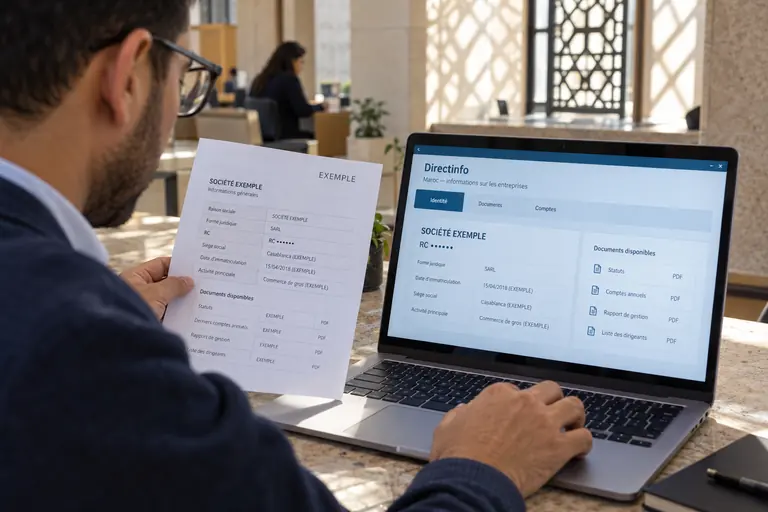
Winding up a company in Spain involves the commercial register at every stage: company dissolution and liquidation are separate legal phases, and each is recorded in the company's registry sheet. Dissolution is the event that opens the process, whether it arises from the shareholders' will, a legal cause or a court decision. Liquidation then turns assets into cash, pays creditors and distributes any surplus. Only when the liquidators have finished and the final accounts are approved can the registrar cancel the company's entries, ending its legal existence.
Why a company is dissolved
Spanish company law lists the situations in which a capital company must be dissolved. They include the expiry of a fixed term stated in the articles, the completion of the corporate purpose or the impossibility of achieving it, paralysis of the governing bodies, and losses that reduce equity below the level the law tolerates. The shareholders can also decide to dissolve voluntarily. Some causes operate by themselves, while others require a decision by the general meeting to be effective.
Where a legal cause exists and the company does nothing, the administrators have a duty to act, and a failure to call the meeting or to ask for a court declaration can expose them to personal liability for the company's later debts. Because the consequences are serious, a company facing heavy losses should review its position early. Sometimes the situation can be remedied by a capital increase, a reduction combined with an increase, or by restoring equity in another way, which avoids dissolution altogether.
A distinction that confuses many owners is between a company that has stopped trading and one that has been dissolved. Ceasing activity, selling the stock and laying off staff does not remove the company from the registry. Until the formal steps are taken and registered, the company still exists, still has filing duties and still exposes its administrators to responsibility.
The dissolution resolution and its registration
When the shareholders decide on dissolution, the general meeting adopts a resolution and normally appoints the liquidators in the same meeting. The decision is formalised in a public deed before a notary and presented to the commercial register, where the registrar examines it and enters the dissolution in the company's sheet. From the date of the entry, the company's name is followed by a statement that it is in liquidation, and that wording must appear in its documents and communications. The entry is published in the official bulletin of the registry, so that creditors and other third parties know that the company is winding up.
Where dissolution results from a court order, the same logic applies in a different order: the judicial decision is presented to the registry, which records it. The company then follows the liquidation rules just as if the shareholders had decided to wind up voluntarily. Notice requirements deserve attention when the resolution is adopted. Shareholders must be properly convened, the agenda should mention dissolution and the appointment of liquidators, and the minutes should record attendance and the result of the vote. Omissions at this stage give disgruntled partners an argument to challenge the decision.
Who the liquidators are and what they do
The liquidators take over management from the administrators, whose powers end on dissolution, except for those needed to complete pending matters until the new body is in place. The articles may name the liquidators in advance; otherwise the general meeting appoints them. They must accept the position, and their appointment is also registered. Their tasks are practical. They prepare an inventory and a balance sheet of the company at the start of liquidation, collect receivables, sell assets, settle debts and keep the shareholders informed with periodic reports. They represent the company in the process and have to act with the diligence expected of a reasonable manager.
Liquidators who fail in their duties can be held liable towards the company, the shareholders and creditors. For that reason, the choice of liquidators matters, and many companies appoint a professional or an experienced administrator who understands the creditor-protection rules. Many small companies appoint the former sole administrator as liquidator for convenience. That is legally possible in many cases, but it makes sense only when the person understands the new duties. Liquidation is not a continuation of business as usual, and decisions about asset sales and payment order now carry stricter expectations.
Paying creditors and distributing what remains
The central rule of liquidation is that creditors come first. The liquidators must pay or secure debts before any surplus goes to shareholders. If assets are not enough to cover all liabilities, the law may require the liquidators to request an insolvency proceeding instead of continuing the ordinary route. When debts are settled, the remaining assets are distributed to shareholders in proportion to their holdings, unless the articles or the law provide a different rule. Distribution in kind, rather than cash, is possible in some circumstances, but it needs to follow the legal conditions and be properly documented.
Throughout the process, transparency is important. Shareholders receive periodic information, and creditors who believe they are not being treated correctly may seek remedies. A clear record of how each decision was taken, and why, protects the liquidators if their work is questioned. Deadlines and priorities can also affect secured creditors, employees and public bodies, which may hold preferential claims under other legislation. The liquidators should map the debts by rank before paying anything, so that early payments to one creditor do not breach the position of another with stronger rights.
Final balance, approval and cancellation
When the liquidation is complete, the liquidators prepare a final balance sheet, a report on the operations and a proposal for dividing the remaining assets. The general meeting approves these documents, and the decision is formalised in a public deed, which records the extinction of the company. The deed is then presented to the commercial register, which cancels the company's entries and closes its sheet. From that point, the company no longer exists as a legal person, although certain responsibilities can survive for former liquidators or shareholders who received assets, within the limits the law states.
Books and documents should be kept for the period required by commercial law after the cancellation. The deed's terms usually say who will hold them, and a named custodian prevents disputes about where the records are if a question arises later. Where a shareholder receives assets from the liquidation, there can be continuing liability up to the value received if a debt appears later. This is one reason why liquidators keep the supporting documents and why prudent shareholders ask for a clear closing statement before accepting any distribution.
Tax, employees and other loose ends
Closing a business raises questions outside company law. Tax obligations continue until the company is cancelled, and deregistration with the tax authority and social security should be coordinated with the registry steps. Employment contracts need to be terminated according to labour law, with the required procedures and compensation, and that part of the process can be time-consuming. Licences, contracts, leases and bank accounts must also be addressed. Open contracts should be terminated or assigned, premises returned and accounts closed in an orderly way. Overlooking a continuing obligation, such as a lease, can leave liabilities that are discovered only after cancellation.
This text offers general information on the usual route and does not replace advice on a particular case. Companies with debts, group relationships or pending litigation should consult a lawyer experienced in Spanish corporate matters before taking the first formal step. It is also worth checking agreements with a time limit that runs beyond the planned closure, such as warranties given on a sale of the business or guarantees granted to banks. Dealing with them before cancellation avoids disputes with parties who find that their counterparty has disappeared.
Frequently asked questions
Is dissolution the same as liquidation?
No. Dissolution is the event that opens the winding-up process, recorded in the registry. Liquidation is the phase that follows, in which the liquidators collect assets, pay creditors and distribute the surplus. The company keeps its legal personality during liquidation and only loses it when the registry cancels the entries.
Who runs the company once it is in liquidation?
The liquidators take over from the administrators. They are named in the articles or appointed by the general meeting, accept the position and are registered. Their task is to wind up the business in an orderly manner, protect creditors and report to the shareholders.
What happens if the company cannot pay all its debts?
The liquidators may have to ask for an insolvency proceeding rather than continue with an ordinary liquidation, because creditors must be treated according to the legal order of priority. Delaying that step can expose administrators or liquidators to personal liability.