
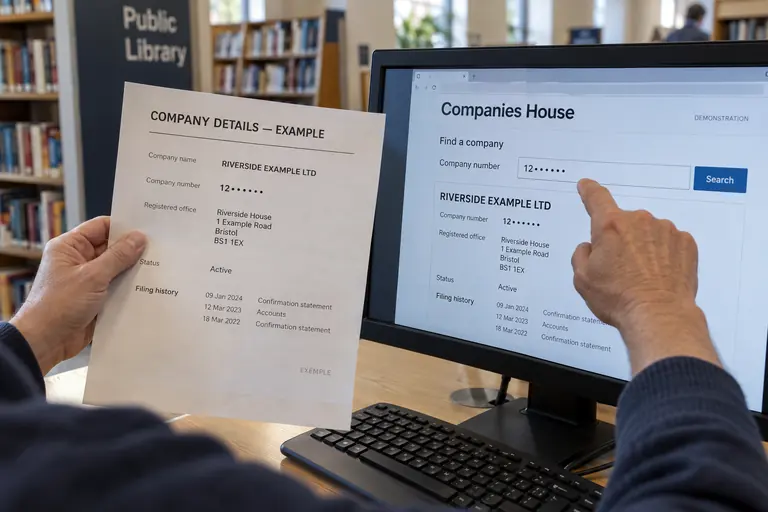
On Ibiza, the commercial register and company records give legal certainty to a business scene built on tourism, hospitality, construction and nautical services. The registry office attends to companies domiciled on the island, entering name, address, form, capital, corporate purpose and administrators for each one. A registrar reviews deeds before they are recorded, and the resulting sheet may be consulted by people with a legitimate interest. Because many island firms have owners abroad, the sheet is often the neutral document that tells a counterparty who may sign.
The island economy and why registration matters
Ibiza and its neighbour Formentera belong to the Balearic Islands, and their economy leans heavily on visitors, seasonal work and property. Clubs, villas, restaurants, boat charters, building contractors and property agencies operate through a wide range of companies, from family partnerships to vehicles held by investors who live elsewhere. In such a mobile market, being able to confirm who stands behind a business is a basic protection.
The legal framework is the same as on the mainland. Spanish commercial code and company legislation apply, and the registry follows the national regulations. Which office is responsible depends on the registered address, and because the territorial organisation of registry districts can be adjusted, it is prudent to check in the professional directory which office currently attends companies domiciled on Ibiza and Formentera.
Registration does more than inform. It gives legal personality to capital companies and fixes the powers of the people who run them. A hotel operator, a property developer or a yacht-services firm that wants a bank account or a licence will usually be asked for proof of registration, which is why even small businesses keep their entries up to date.
The registrar's role
The registrar is a public official who examines each document before it is recorded. The review covers legality, the capacity of the parties and consistency with earlier entries. When a defect is found, the registrar can suspend or refuse the entry until it is corrected. This work gives the register its authority, and it explains why third parties are allowed to rely on what has been published.
Because the registrar answers for the decision, the office is cautious about incomplete paperwork. Entrepreneurs who arrive with partial documents or inconsistent names can expect to be asked for corrections. The advice from practitioners is to prepare the deed with care and to keep the registered name identical in every document, including the tax registration and the bank records.
For readers, the benefit is practical. A sheet that has passed this control is more dependable than a company's own description. It shows what a competent professional has accepted as legally valid, and that is useful information when a contract, a loan or a lease depends on the identity and powers of the counterparty.
Practitioners on the island add one more tip: keep the registered name, the tax registration and the licence application consistent, since mismatches between them are among the usual reasons why paperwork is returned for correction. A single missing accent, an abbreviation written differently or an address given in two forms can be enough to delay an entry by days, which matters when a season is about to begin.
What the island sheet displays
For each company, the sheet records the denomination, the registered office, the legal form, the capital and the corporate purpose. It lists the administrators, the powers granted to attorneys and any later modification. Every entry bears a date, so changes of control, new directors and moves of the seat can be placed in order. This chronology is helpful in a market where businesses change hands frequently.
When a company has a single partner, the sheet shows that fact, which can clarify who is behind a small operation. In larger structures it cannot trace the chain of holding companies up to the ultimate individuals. Other sources, subject to their own access conditions, handle that task, and a reader who needs that depth should ask the body responsible for such information.
Branches of foreign companies are also recorded. Their sheet identifies the parent, the country of origin and the representatives of the branch. This is valuable for someone contracting with a local office of a foreign group, because it shows which legal entity stands behind the commitments and where claims might eventually need to be directed.
Obtaining a mercantile note or certificate
The mercantile simple note summarises the current data and is meant for information. It is the fastest way to check a company before paying a deposit or signing a lease. Searches work best with the tax identification number, particularly for companies with foreign investors, because it avoids confusing firms with similar names.
For formal use, such as presenting data to a bank opening a business account or to a public body, ask for a certificate. The registrar signs it and vouches for what the books say. The two products differ in cost and speed, and the details depend on the product, so confirm them on the official portal at the time of the request.
Requests can be made electronically, which is convenient for people who consult from outside the island. If the document is going abroad, ask the foreign recipient whether translation or an apostille is needed. Starting that discussion early saves time, since arranging legalisation after receiving the certificate can add several days to a transaction.
Seasonal business and special checks
Seasonal ventures, such as beach clubs and event organisers, sometimes operate under temporary arrangements or change operators between seasons. The trade name on the sign may stay constant while the legal entity running the venue changes. Before booking an event or supplying goods on credit, check which company currently holds the contract, and compare its tax number with the invoice.
Property transactions deserve extra care. A villa sold by a company may be recorded in the property registry under that company, while the mercantile registry shows who can sign on its behalf. Buyers should check both, since a transfer signed by someone without the necessary powers can be challenged later, causing expense and delay.
Rental and tourism businesses should also check that their legal form matches what they advertise. A guesthouse operated by an individual will not appear in the mercantile register, whereas one run by a limited company will. Knowing the form tells you which register to open and avoids the misleading conclusion that nothing exists.
Reading a sheet before you commit money
Suppose an investor is offered a stake in a bar on the island. The first step is to identify the company that owns the licence and the lease, and to request its note. The sheet shows whether the seller is really an administrator, how much capital the company declares and whether the registered address matches the venue. If the answers differ from what the seller says, there is something to clarify before any payment.
A second step is to see whether the accounts have been deposited. Even a brief filing helps to compare the story told in negotiations with the figures reported to the registry. Where the accounts are missing or old, ask why. There can be innocent explanations, yet a seller who cannot give one is revealing something useful about the transaction ahead.
A third step concerns people. The sheet names the administrators, and a quick comparison with the individuals who actually deal with you shows whether they have authority. If a manager presents himself as the owner but the register lists someone else, request evidence of powers before signing. This simple discipline protects buyers, lenders and suppliers from the most common island disputes. It also helps newcomers who rely on advisers, because they can see for themselves whether the paperwork they have been shown matches the public record.
Frequently asked questions
Does the Ibiza registry also cover Formentera?
The two islands are normally dealt with together in practice, but the organisation of registry districts can change, so the safest route is to check the official directory of registrars for the office that currently serves companies domiciled in each island. The deciding factor is always the registered address in the company's articles.
How can I verify a company that runs a beach club or restaurant?
Ask for the legal name and tax number, which appear on invoices and contracts, then request a simple note. It will show whether the company exists, its address, capital and who can sign. The trade name on the sign is not enough, because the operating company can differ from the brand.
Is it possible to see who owns a foreign-controlled island company?
Only partly. The sheet shows a sole shareholder in a single-member company, but it generally does not display the full chain of holding companies behind a larger structure. To go further, you need other sources with their own access rules, and sometimes registers in the countries where the parent entities are based.