
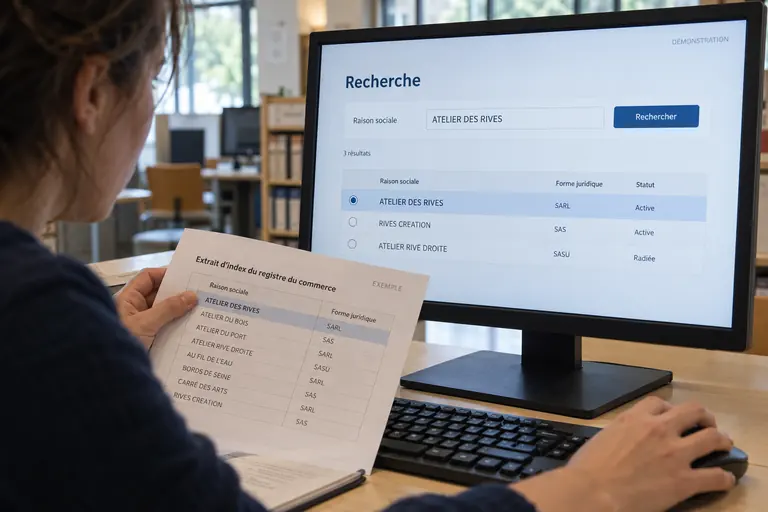
Segovia commercial register company records are the official profile that the provincial mercantile registry holds for every firm it has inscribed. A registrar examines each deed before it is recorded, so the sheet lists a reliable name, legal form, registered address, purpose, administrators and deposited accounts. The records are public for those with a legitimate interest, and they protect third parties who must rely on what a company declares. Their reach is narrow: they confirm legal facts, not commercial reputation, finances in real time or private life.
A heritage city close to Madrid
Segovia is famous for its Roman aqueduct, its cathedral and its alcázar, and it draws large numbers of visitors, many from Madrid. Alongside tourism and hospitality, the province has a food sector, with roast-meat restaurants and dairy and meat processors, as well as furniture, construction and logistics businesses that benefit from the proximity to the capital. This closeness has a registry effect. Some companies do business in Segovia but are registered in Madrid, and vice versa, because the competent registry is determined by the registered address. A restaurant group with its head office in the capital will not be found in the Segovia file even if all its outlets are in the city.
For that reason, do not assume that the place where a company works is where it is inscribed. Look at the registered address on the invoice or deed, and then direct your search accordingly. If the details are missing, ask the company for its tax number and a copy of its deed. Visitors who book a guided tour or an artisan workshop through a company can use the same checks, although the sums at stake are usually smaller. Producers of the famous local roast suckling pig and of dairy products usually sell through limited companies, and wholesalers who deal with them find the registry convenient for confirming who may sign supply agreements.
Understanding each part of the sheet
The first block identifies the business: its exact name, tax number, legal form and registered address. Next to that is the corporate purpose, a list of the activities the company may undertake. These provisions are usually broad, so the purpose should be taken as a legal permission rather than a description of what the business really does. The administration block lists the persons who run the company and the way they exercise power. It can show a single manager, several people acting together or a collegiate body. Attorneys with special powers appear separately. If your counterparty claims authority for a major decision, this is where you check whether the claim has formal support.
The history block lists changes. It will include capital increases or reductions, transformations and mergers. Reading it carefully tells you whether the company has grown steadily, restructured or experienced turmoil, and that context makes the other information easier to interpret. The tax number deserves special mention. It stays with the company through changes of name, address and administrators, which makes it the thread that links documents across years. If you keep a record of suppliers, store this number next to the trade name and you will always be able to identify the right entity.
Ways to request and what to ask for
You can request information in person, by post or through the electronic services operated by registrars. A tax number is the preferred identification, but a precise name with its legal-form ending also works. Where the name is common, add the address to avoid mix-ups, since a mismatch could lead you to read the wrong file. An informative note offers a concise summary and is useful for supplier checks, tenant screening or a first look at a competitor. A certificate is better when a formal act is at stake, such as obtaining credit, applying for a licence or registering a company's branch in another country.
Both documents show the position on the date of issue, so schedule your request accordingly. For a significant transaction, order the paper shortly before closing and compare it with the documents you have been shown. If something does not match, pause and ask the company to explain before you commit funds. Readers sometimes assume that an electronic document is less reliable than paper. In fact, electronic certificates issued through the registrars' services can carry the same legal value, with a secure verification mechanism, although the receiving authority may have its own preferences, which should be confirmed in advance.
Accounts and how to read them sensibly
Capital companies deposit their annual accounts at the registry of their address. These documents offer a rare chance to see the financial statements of a private firm. They can be requested like other registry documents, and they include the balance sheet, the profit and loss account and explanatory notes, with variation depending on the size of the company. Interpretation takes care. A tourism business may have large seasonal swings, a construction firm may show lumpy income, and a young company may record losses while investing.
Compare several years, if they are available, and avoid conclusions from a single filing or from one ratio. The registrar does not audit the contents. Where an auditor's report is included, it adds assurance; where it is absent, the numbers are the company's own statement. In either case, serious decisions about lending or acquisition should include professional financial analysis alongside the registry paper. A quick comparison of the deposited accounts with a company's website or marketing claims can reveal whether the business is as large as it appears.
Common mistakes to avoid
One mistake is to treat the registry as the source of all business truth. It has no data on informal agreements, payment morale or customer reviews, and these may matter more than formal details when you are choosing a supplier. Combine the file with references and your own observations. Another is to forget that individuals and some entities are outside the mercantile register. A self-employed craftsperson, an association or a cooperative may be perfectly legitimate and still absent from the mercantile database. Learn which registry corresponds to the legal form before concluding that nothing exists.
A final mistake is to ignore timing and language. Documents reflect a given date, and translations may be needed for foreign use. Plan for both, keep records of what you obtain and, if the matter is important, consult a lawyer who can explain the practical consequences of what the file reveals. Seen as a whole, the sheet is best compared to a passport: it proves identity and some formal facts, but it says nothing about the character or future plans of its holder. Keeping that image in mind prevents unrealistic expectations of what a document from the registry can deliver.
Hospitality, crafts and commuting firms: reading local company files
Segovia's restaurants and hotels are often run by companies owned by long-established families. The sheet may show several relatives as administrators, and powers may be split among them. When you reserve a large event or sign a catering contract, find out which of them can bind the company and whether the signature of one is enough. Craft businesses, from ceramics to furniture, may begin as individuals and later adopt a company form to expand. When that happens, the contract you signed with the individual does not automatically pass to the company.
Ask for a written confirmation and check the new entity's file to avoid disputes about who owes what. A number of residents commute to Madrid and set up small consultancies or service companies in Segovia. Their registered address may be a home, a co-working space or an advisor's office. None of these is suspicious in itself, but for larger projects you should confirm that the company has the staff and resources to deliver what it promises.
Frequently asked questions
Why can't I find a restaurant that operates in Segovia?
Its legal entity may be registered elsewhere, because the competent registry depends on the company's registered address, not on where it trades. The restaurant might also be run by a self-employed individual who is not inscribed. Ask for the tax number and the registered address to direct the search properly.
Is the corporate purpose a reliable description of the business?
Not usually. The purpose is a legal permission and is often written broadly to cover many activities. It tells you what the company is allowed to do under its articles, not what it does in practice. Judge real activity through visits, references and trading history.
How do I show that someone can sign for a company?
Request a note or certificate that shows the administrators and any attorneys, along with how they must act. If the person is an attorney, the document should describe the scope of the powers. Compare that with the act to be signed and ask for the deed if anything is unclear.